

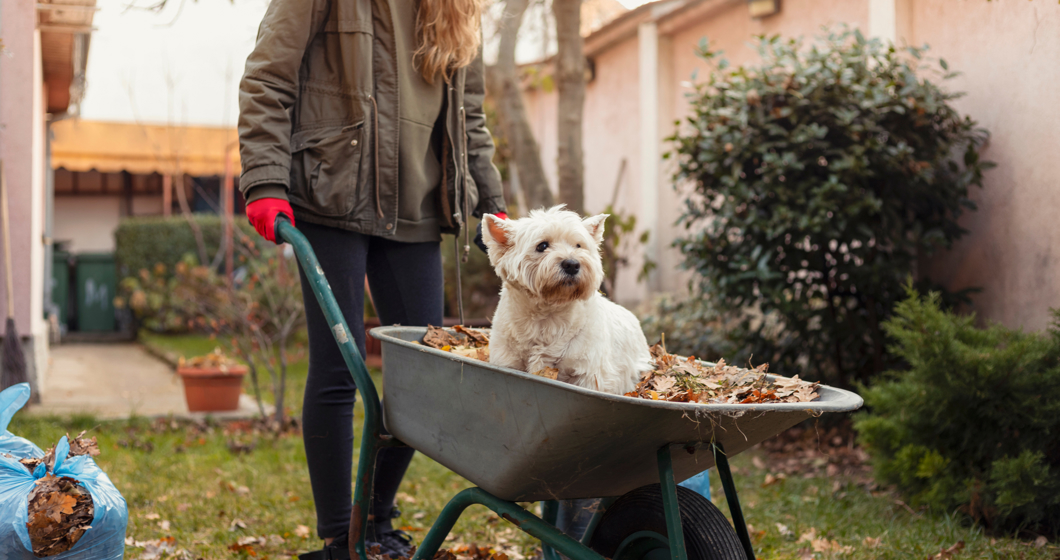
As fall winds down and colder weather approaches, many homeowners start preparing their lawns for winter. A little extra attention now can help your grass bounce back healthier and greener when spring arrives. But there's one important step that shouldn't get overlooked: picking up the dog poop! As you prepare your yard for the colder months, include a thorough cleanup in your lawn winterizing routine. Here's what you need to know about getting your lawn ready for winter.
When Should You Start Winterizing Your Lawn?
The best time to winterize your lawn depends on where you live, the type of grass you have, and when temperatures typically begin to drop. Generally, lawn winterization starts in the fall, when grass growth begins to slow, but the roots are still active.
For homeowners in cooler climates: If you have cool-season grasses like Kentucky bluegrass, perennial ryegrass, or fescue, begin preparing your lawn in early to mid-fall. These grasses grow most actively during cooler weather, making fall an ideal time for fertilizing, aerating, and repairing bare spots before winter dormancy.
For homeowners in warmer climates: Warm-season grasses like Bermuda, Zoysia, and St. Augustine typically begin slowing down as temperatures drop. Winter preparation may start in late fall, but many lawn care activities, including aeration and major fertilization, are better suited to late spring and summer when these grasses are actively growing.
Regardless of your climate, keep an eye on local temperatures and your lawn's growth patterns. The goal is to give your grass what it needs before it goes dormant for the season.
Essential Steps for Winterizing Your Lawn
Getting your lawn ready for winter doesn't have to be complicated. A few important maintenance steps can help protect your grass and encourage healthy growth when warmer weather returns.
1. Fertilize Your Lawn.
Fall fertilization can help strengthen grass roots and prepare your lawn for winter dormancy. For cool-season grasses, fall is one of the most beneficial times to fertilize because the grass continues developing strong roots even as above-ground growth slows.
Choose a fertilizer appropriate for your grass type and local conditions. A soil test can help determine which nutrients your lawn actually needs and prevent unnecessary fertilizer applications.
Keep in mind that warm-season grasses have different needs. Applying nitrogen fertilizer too late in the season can encourage new growth that may be damaged by cooler temperatures. Follow recommendations for your specific grass type and avoid fertilizing once it has entered dormancy.
2. Aerate Your Lawn.
Over time, foot traffic, pets, lawn equipment, and everyday use can compact the soil beneath your grass. Compacted soil makes it harder for water, air, and nutrients to reach the roots. Lawn aeration helps address this problem by creating small holes in the soil, allowing essential resources to penetrate more easily.
For cool-season grasses, early fall is generally an excellent time to aerate because the grass can recover and fill in before winter. For warm-season grasses, aeration is typically best performed in late spring or early summer when the grass is actively growing.
3. Keep Watering as Needed.
Just because summer is over doesn't mean you should stop watering your lawn altogether. Grass roots still need moisture throughout the fall, even as temperatures cool and growth slows. If your area experiences a dry fall, occasional watering can help prevent the grass from becoming stressed before winter.
Pay attention to rainfall and local conditions, and avoid overwatering. As temperatures drop and the lawn enters dormancy, its water needs will decrease. In colder climates, you can typically stop watering once the ground freezes.
In warmer regions where grass remains active throughout the winter, continue watering as needed based on rainfall and the type of grass you have.
4. Give Your Lawn Its Final Mow.
How short should you cut your grass before winter? The answer depends on your grass type, but the general rule is to avoid letting it get excessively long before dormancy. Grass that's too long can mat down under snow and moisture, creating conditions that encourage mold and other lawn diseases. However, cutting it too short can stress the grass and leave its roots more vulnerable to winter damage.
For most cool-season lawns, gradually lowering the mowing height during the final few cuts can help prepare the grass for winter. Avoid removing more than one-third of the grass blade at a time, and follow the recommended mowing height for your particular grass type.
Warm-season grasses should generally be maintained at their normal recommended height until growth slows and they enter dormancy.
Before putting your mower away for the season, make sure to remove excess leaves and other debris from the lawn, too. Thick layers of leaves, debris, or grass clippings can block sunlight and trap moisture, potentially damaging the grass underneath. A clean lawn gives your grass a better chance of coming back strong in the spring.
Don't Forget to Scoop
It's tempting to think dog poop will eventually break down on its own, especially when colder weather arrives and lawn maintenance takes a back seat. Unfortunately, dog waste doesn't disappear as quickly or harmlessly as many people assume.
Unlike cow manure or other animal waste commonly used as fertilizer, dog poop is not a beneficial addition to your lawn. It's high in nitrogen and phosphorus, and when left in concentrated piles, it can damage grass, create brown spots, and contribute to nutrient imbalances.
Dog waste can also contain harmful bacteria and parasites that may pose health risks to people and other animals.
Does Dog Poop Decompose in the Winter?
Yes, dog poop eventually decomposes, but the process can take much longer than you might expect. Cold temperatures slow the activity of microorganisms responsible for breaking down organic material. When temperatures drop, dog waste can remain in your yard for weeks or even months. Snow and ice can also cover it up, making it easy to forget about the piles accumulating underneath.
When warmer weather returns, those forgotten deposits can become an unpleasant surprise. Regularly picking up dog poop throughout the fall and winter helps keep your lawn cleaner and makes spring yard maintenance much easier.
How to Clean Dog Poop From Grass
If your yard already has a few deposits scattered around, cleaning them up is relatively simple.
1. Use a pooper scooper or waste bags.
Pick up as much of the solid waste as possible without crushing it into the grass.
2. Remove any remaining residue.
Use a scooper or disposable tool to gently remove leftover material from the grass blades.
3. Dispose of waste properly.
Place the waste in a sealed bag and dispose of it according to your local guidelines.
4. Rinse the area if needed.
If residue remains, a light rinse with water can help wash away what's left. Avoid using harsh chemicals or household cleaners on your lawn.
For best results, make cleanup a regular part of your outdoor routine rather than waiting until the end of the season.
Let DoodyCalls Help You Get Your Lawn Winter Ready
Between raking leaves, fertilizing, aerating, and preparing your property for colder weather, fall and winter lawn care can add plenty of chores to your to-do list. Picking up dog poop doesn't have to be another one.
Professional services like DoodyCalls take the hassle out of pet waste cleanup with convenient dog poop removal. Whether you need a one-time cleanup to get your yard ready for winter or recurring service to keep up with your dog's deposits throughout the colder months, we've got you covered.
Give your lawn a fresh start this spring by taking care of the dirty work now. Contact DoodyCalls for a free quote and enjoy one less chore on your seasonal to-do list!