

Think having a dog means giving up on a lush, green lawn? Think again. The key is understanding how pet waste affects your grass and taking a few simple steps to prevent long-term damage. With the right approach, you can keep your yard looking fresh, healthy, and ready for everything from playtime to backyard gatherings.
Does Dog Urine Kill Grass?
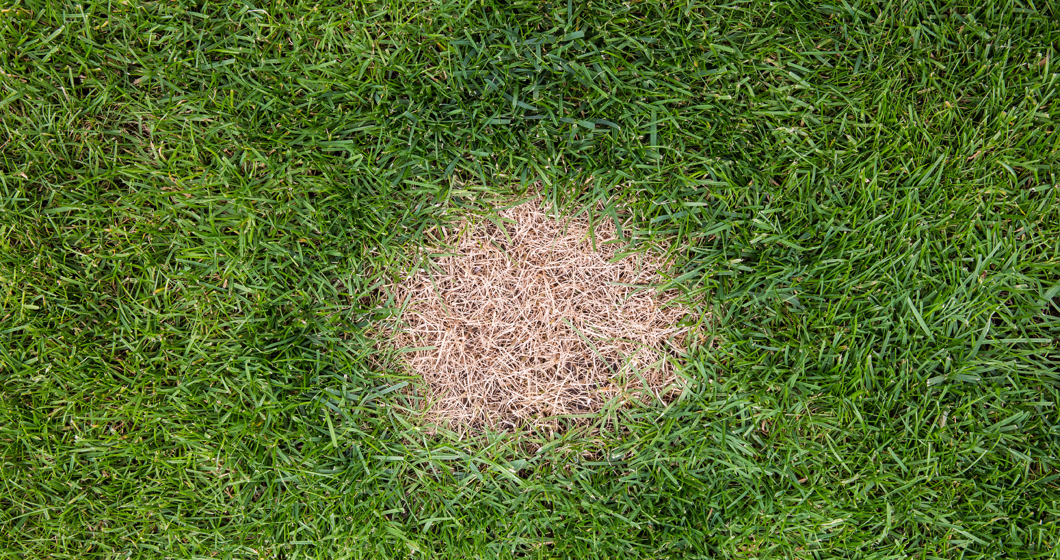
Yes, dog urine can damage or even kill grass over time. The main culprit behind the damage is nitrogen. While nitrogen is a key ingredient in many lawn fertilizers, too much of it in one concentrated area can “burn” your grass.
When your dog urinates, the liquid eventually evaporates, leaving behind a high concentration of nitrogen and salts. If your dog tends to go in the same spot repeatedly, those areas are more likely to develop yellow or brown patches.
Helpful tip: Make sure your dog always has access to fresh drinking water. Staying well-hydrated helps dilute their urine, which can reduce the intensity of those nitrogen-heavy spots.
Does Dog Poop Damage Grass?
Dog poop can be just as tough on your lawn as urine, if not more. Like urine, it contains high levels of nitrogen, which can overwhelm your grass. But that’s not the only issue.
Pet waste can also:
Encourage the growth of lawn fungus
Introduce harmful bacteria, parasites, and pathogens into your yard
Unlike manure from plant-eating animals like cows, dog waste isn’t suitable as fertilizer. Because dogs are omnivores, their waste is more acidic and contains proteins that don’t break down in a way that benefits your soil. Instead, it can create an unhealthy environment for your grass and landscaping.
Lawn Care Tips for Dog Owners
Keeping your yard in great shape doesn’t mean limiting your dog’s outdoor time; it just means being a bit strategic.
Stay on top of cleanup
The longer waste sits, the more damage it can cause. Regularly picking up after your dog is one of the easiest ways to protect your lawn. Better yet, schedule routine pet waste removal service and let the pros handle it.
Create a designated potty area
Consider fencing off a specific section of your yard for your dog to use. Materials like mulch, pea gravel, or artificial turf can help keep waste off your grass. You can even add landscaping elements like shrubs or tall grasses to blend the space into your yard’s design and keep it out of direct view.
Rinse problem areas
Spraying down spots where your dog has urinated—ideally within 8–12 hours—can help dilute nitrogen levels and prevent burn spots from forming.
Use training aids if needed
There are pet-safe products designed to encourage dogs to go in certain areas of the yard. These can be especially helpful when establishing a designated potty zone.
Be mindful with fertilizer
If you’re fertilizing your lawn, remember you’re already adding nitrogen into the mix. Combining that with pet waste can lead to overexposure. Opt for pet-friendly fertilizers with lower nitrogen levels to help maintain balance.
How to Repair Lawn Damage from Dog Waste
If your lawn is already showing signs of damage, don’t worry, there are ways to bring it back.
Restore the soil balance
Dog urine can disrupt soil chemistry by adding excess nitrogen and salts, and in some cases may alter soil pH. Before planting new grass, flush the area thoroughly with water to leach out concentrated salts. Applying gypsum can help improve soil structure and aid in flushing salts from the root zone. Only use pH‑adjusting amendments, such as garden lime, if a soil test confirms the soil has become overly acidic.
Clear the way for fresh growth
Start by removing any dead or damaged grass in the affected areas so new growth has room to take hold. Then, loosen compacted soil through aeration to help water, oxygen, and nutrients reach the roots more effectively. Finish by adding organic matter, such as compost, to improve soil health and create the ideal environment for fresh, healthy grass to grow.
Reseed with durable grass varieties
Some grasses are better equipped to handle pet activity. Look for hardy options like perennial ryegrass or tall fescue, or choose a pet-friendly seed blend designed to withstand higher nitrogen levels.
Water consistently
New grass needs consistent moisture to establish strong roots. Keep the area lightly watered (but not soaked) while it grows in.
Limit repeat damage
While your lawn recovers, try to keep your dog from returning to the same spot by using barriers or redirecting them to another area.
Keep Your Yard Clean, Green, and Fresh
A healthy lawn and a happy dog can go hand in hand; it just takes a little maintenance and know-how. Staying consistent with waste removal, managing high-traffic areas, and caring for your soil can make a big difference in how your yard looks and feels.
And if you’d rather skip the dirty work, DoodyCalls is here to help. Our professional pet waste removal services keep your yard clean, while our DoodyFresh sanitizing and deodorizing treatments help eliminate lingering odors from pet waste and urine so your outdoor space smells as good as it looks.
Get ready for less waste, less worry, and a lawn you’ll actually want to show off.