


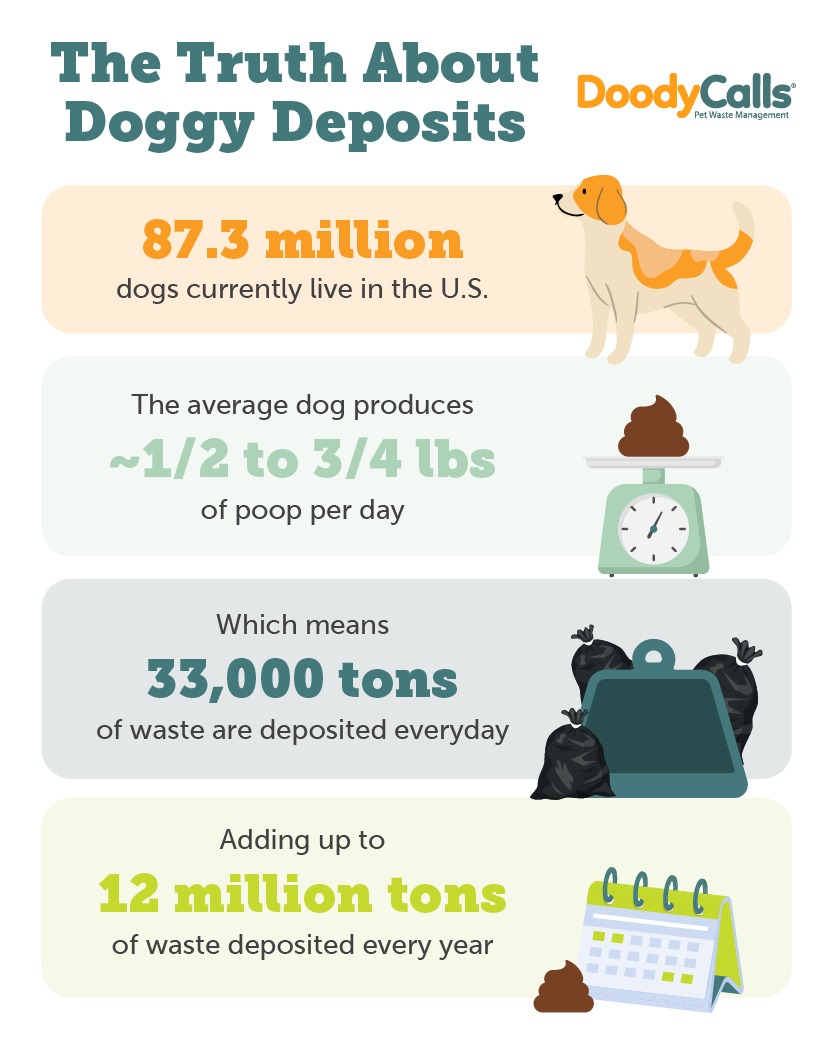
America’s Overlooked Environmental Pollutant
Dog waste is more than an unpleasant backyard problem; it’s a documented environmental and public health hazard. Since 1991, the Environmental Protection Agency (EPA) has classified dog waste as a non-point source pollutant placing it in the same category as herbicides and insecticides, oil and grease from urban runoff, toxic industrial chemicals, road salt, and acid drainage from abandoned mines.
How Dog Waste Pollutes the Environment

When dog poop is left on the ground, bacteria, worms, and parasites continue to thrive. Rain and irrigation can wash these contaminants into storm drains, streams, and other waterways, eventually affecting drinking water and local ecosystems.
Just two to three days’ worth of waste from a population of 100 dogs can contribute enough bacteria to temporarily close a bay and surrounding watershed areas within 20 miles to swimming and shellfishing.
Health Risks of Dog Waste
Dog waste poses unique health risks when left behind because it contains parasites and bacteria that can be transmitted to humans and animals. The longer waste remains on the ground, the greater the risk of contamination. People, especially children, can be exposed by accidentally ingesting contaminated soil, touching unwashed hands to their mouths, or playing in areas where dog waste has been left behind.
Some of the most common health concerns linked to dog waste include:
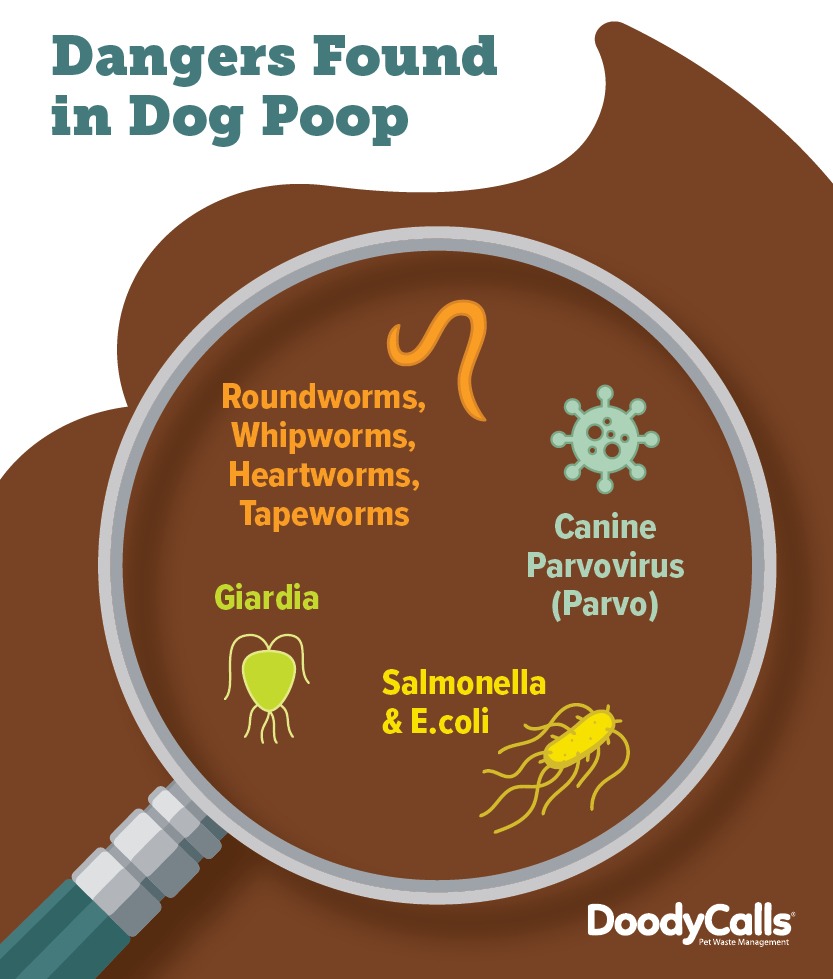
- Roundworms: One of the most common parasites found in dog waste. This gastrointestinal parasite can cause various health issues in dogs. Roundworm eggs can survive in soil and water for years.
- Canine Parvovirus (Parvo): A highly contagious virus that attacks the gastrointestinal system of dogs, especially puppies. Parvo can live in contaminated soil for extended periods.
- Giardia: A microscopic parasite that lives in the small intestines of its host. They are highly contagious, yet dogs rarely show symptoms of an infection. They can prevent nutrients from being properly absorbed and are carried by many dogs.
- Whipworms: Parasitic worms that live in a dog’s intestines and shed eggs into the environment, where they can remain infectious for years.
- Dog poop can also carry heartworms, hookworms, tapeworms, Salmonella, and E. coli, posing health risks to unsuspecting owners who come into contact with it.



[1].2502200939449.png)