

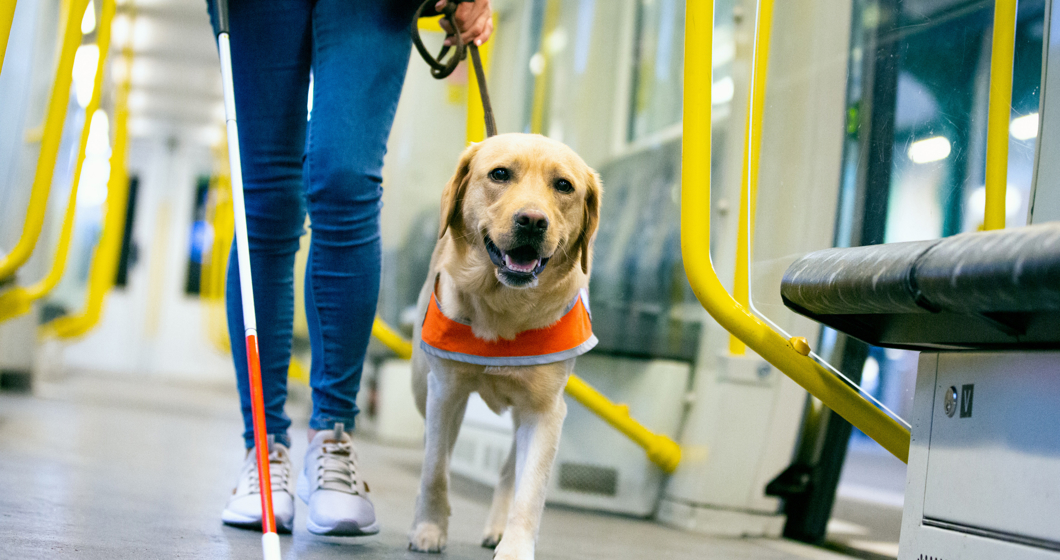
Every year on Assistance Dog Day, we celebrate the incredible dogs that help their handlers live with greater independence, confidence, and freedom. These highly trained companions perform essential tasks that allow people with disabilities to safely navigate everyday life—from guiding someone with vision loss to alerting their handler to a medical emergency.
One of the best ways to support assistance dog teams isn't by petting the dog or offering treats; it's by understanding proper service dog etiquette and respecting the important work these remarkable animals do. A little awareness goes a long way toward creating safer, more welcoming communities for everyone.
What Is a Service Dog?
A service dog is individually trained to perform specific tasks for a person with a disability. Under the Americans with Disabilities Act (ADA), service dogs are considered working animals, not pets.
These specially trained dogs perform tasks that directly assist their handler, such as:
Guiding people who are blind or have low vision
Alerting individuals who are deaf or hard of hearing
Retrieving dropped items
Opening doors or operating light switches
Providing mobility support
Alerting to seizures or diabetic blood sugar changes
Interrupting certain psychiatric symptoms with trained tasks
No matter their specialty, every service dog has undergone extensive training to remain focused and responsive while working in public. Because service dogs are working, they are generally allowed to accompany their handlers anywhere the public is permitted.
Service Dogs vs. Emotional Support Animals vs. Therapy Dogs
While all three provide valuable support, they serve very different purposes.
Service Dogs are individually trained to perform specific tasks for a person with a disability and have public access rights under federal law.
Emotional Support Animals (ESAs) provide comfort simply through their presence. While they can be incredibly beneficial for their owners, they are not required to receive specialized task training and generally do not have the same public access rights as service dogs.
Therapy Dogs are trained to provide comfort to many people in places like hospitals, nursing homes, schools, and disaster relief settings. They work alongside volunteer handlers but are not service animals under the ADA.
What Are the Requirements for a Service Dog?
Under the ADA, a service dog must be individually trained to perform work or tasks related to a person's disability.
Contrary to popular belief:
Service dogs are not required to wear a vest.
There is no official federal certification or registration required.
Businesses cannot require proof of certification before allowing entry.
However, service dogs are expected to remain under their handler's control at all times and behave appropriately in public settings.
Basic Service Dog Rules
Businesses and members of the public should remember a few important rules regarding service dogs. Service dogs are allowed in most public places where pets are normally prohibited. Staff may only ask two questions if the disability is not obvious:
Is the dog required because of a disability?
What work or task has the dog been trained to perform?
They may not ask about a person's disability or request medical documentation. Service dogs should not be separated from their handler unless there is a legitimate safety concern. Knowing these rules helps create respectful interactions for everyone involved.
Service Dog Etiquette: How You Can Help
Even well-meaning interactions can interfere with a working service dog. Following a few simple guidelines helps keep both the handler and dog safe.
Don't Distract a Working Dog
A service dog is concentrating on its handler, not looking for attention. Avoid petting, talking to, whistling at, feeding, or making eye contact with a working dog unless invited. Even a brief distraction could prevent the dog from noticing an obstacle or alerting its handler to an important medical event.
Always Ask Before Approaching
If you want to compliment the dog or speak with the handler, address the person—not the dog—and always ask permission before approaching or interacting. Many handlers are happy to answer questions when appropriate, but it's important to respect their time and privacy.
Keep Your Own Dog Under Control
Loose or poorly controlled pets can be a major distraction and even a danger to working service dogs. Whether you're walking through your neighborhood, visiting a park, or enjoying a pet-friendly event, keep your dog leashed (where required), well-behaved, and from approaching service dog teams without permission.
Pick Up After Your Pet
One simple act of responsible pet ownership can make a meaningful difference for assistance dog teams: always pick up after your dog.
Dog waste isn't just unpleasant; it creates obstacles on sidewalks, trails, parks, apartment communities, and other shared spaces. Service dog handlers often rely on predictable, accessible walking paths, and stepping around or into pet waste can create unnecessary hazards. Keeping shared spaces clean helps ensure everyone can enjoy them safely.
How DoodyCalls Helps Create Cleaner, More Accessible Communities
At DoodyCalls, we believe responsible pet ownership benefits everyone. Our residential pet waste removal services keep yards clean, while our commercial cleanup helps parks, HOAs, apartment communities, and other shared spaces stay cleaner and easier to navigate.
Properly maintained pet waste stations also encourage responsible cleanup by providing convenient waste bags and disposal bins where people need them most.
We're proud to serve all dog owners, including families who rely on service dogs. For some handlers, scooping pet waste can be difficult due to mobility limitations or other disabilities. Our services help take one more task off their plate, making dog ownership a little easier while helping create cleaner, more accessible communities for everyone.