

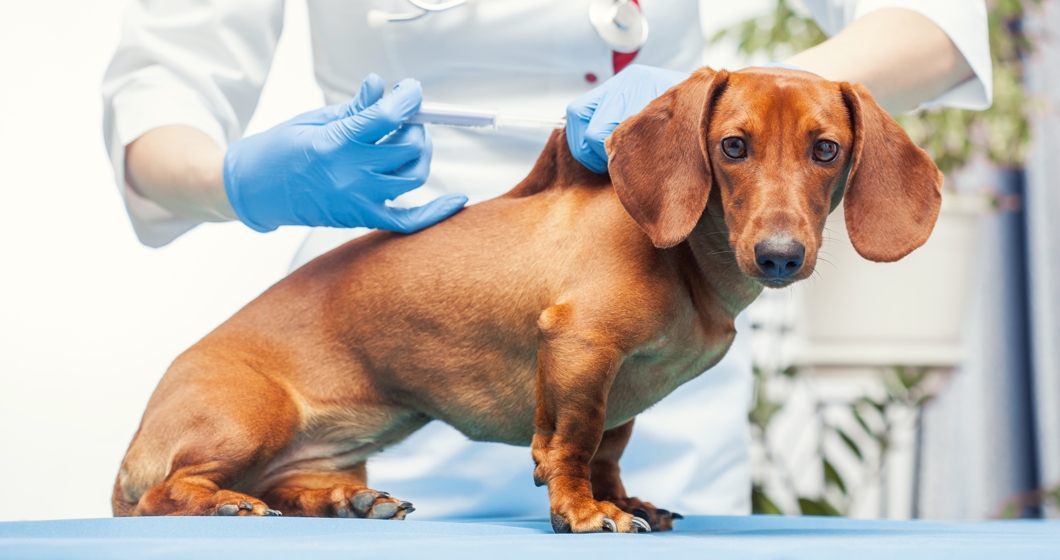
When you think of diabetes, you might picture it as a human condition—but did you know that dogs can develop diabetes, too? Just like people, our canine companions can struggle with regulating their blood sugar. November is Pet Diabetes Month, making it the perfect time to learn about what causes diabetes in dogs, the warning signs to look out for, and how to keep your furry friend healthy and happy.
What Causes Diabetes in Dogs?
Diabetes in dogs is a chronic condition that occurs when the body either doesn’t produce enough insulin or can’t use it properly. Insulin is a hormone made by the pancreas that helps regulate blood sugar (glucose) levels. When this system doesn’t work correctly, glucose builds up in the bloodstream instead of being used for energy.
The most common form of diabetes in dogs is Diabetes Mellitus, which is similar to Type 1 diabetes in humans. This means the dog’s body doesn’t make enough insulin to control blood sugar properly. While diabetes can’t be cured, it can be successfully managed with proper care, diet, and monitoring, allowing dogs to live long, active lives.
Several factors can increase a dog’s risk of developing diabetes, and knowing what they are can help you stay one step ahead.
Genetics: While diabetes can present in all dog breeds, some dogs inherit a predisposition for diabetes. Breeds such as Miniature Schnauzers, Samoyeds, Poodles, Dachshunds, and Beagles are among those more prone to developing the condition.
Obesity: Extra weight makes it harder for the body to use insulin properly, leading to insulin resistance. Maintaining a healthy weight through portion control and daily exercise is one of the best ways to help prevent diabetes.
Age: Middle-aged and senior dogs are at a higher risk because metabolism slows and insulin efficiency can decrease over time.
Chronic Pancreatitis: Repeated inflammation of the pancreas can damage insulin-producing cells. Dogs with a history of pancreatitis need extra monitoring.
Hormonal Disorders: Diseases like Cushing’s disease or hypothyroidism can alter hormone levels and metabolism, raising the risk of diabetes. Unspayed females are also more susceptible due to hormone fluctuations.
Understanding these risk factors and working with your veterinarian for regular checkups can go a long way in keeping your pup healthy and helping catch potential issues early.
What Are the Signs of Diabetes in Dogs?
Spotting the early signs of diabetes can make all the difference in keeping your dog healthy. Watch for these common symptoms:
Increased thirst and urination: High blood sugar causes the body to flush out excess glucose through urine, making dogs drink and pee more often.
Unexplained weight loss: Despite eating well, diabetic dogs may lose weight because their bodies can’t use food properly for energy.
Increased hunger: Since their cells aren’t getting enough glucose, diabetic dogs often feel constantly hungry and may beg for more food.
Fatigue or lethargy: Without proper energy use, dogs may seem tired, less playful, or uninterested in regular activities.
Cloudy eyes or cataracts: High blood sugar can lead to cataracts, causing cloudy or bluish eyes and potential vision issues.
Sweet-smelling breath: A fruity odor can signal the presence of ketones, a warning sign of a serious condition called diabetic ketoacidosis (DKA) that needs immediate vet care.
If your dog shows any of these signs, schedule a vet visit right away. Your veterinarian will perform blood and urine tests to check glucose levels and confirm whether your dog has diabetes. Early diagnosis and treatment can help manage diabetes effectively and keep your pup feeling their best
How Do I Treat Diabetes in My Dog?
A diabetes diagnosis may sound intimidating, but with consistent care, most dogs live long, healthy lives. Here are the main ways the condition is managed:
Daily insulin injections: Most diabetic dogs need daily insulin (prescribed by your vet) to regulate blood sugar. Your vet will show you how to safely give injections and determine the right dosage.
A balanced diet to regulate blood sugar: High-fiber, low-fat foods help stabilize glucose levels and energy. Your vet may recommend a prescription diet or guide you in preparing healthy, balanced meals. Consistent feeding times are key.
Regular exercise: Moderate, consistent activity like daily walks helps dogs maintain a healthy weight and improves how their bodies use insulin.
Routine vet check-ups and monitoring: Regular vet visits and glucose checks ensure your dog’s treatment stays on track. Some owners also monitor blood sugar at home for added consistency.
Your veterinarian will work closely with you to create a treatment plan that fits your dog’s specific needs.
Feeding My Diabetic Dog
Nutrition plays a huge role in managing diabetes. Diabetic dog food is typically high in fiber and low in simple carbohydrates, which helps regulate glucose absorption. Some prescription diets are specially formulated for diabetic dogs and can make a big difference in controlling blood sugar.
If you prefer to prepare your dog’s meals at home, talk to your vet about safe options. In general, avoid sugary or starchy foods. Healthy human foods that can be safe for diabetic dogs (in moderation) include:
Lean proteins like chicken, turkey, or fish
Green beans, broccoli, and carrots
Plain pumpkin (great for fiber!)
Always consult your vet before introducing new foods, especially if your dog is diabetic. Even healthy ingredients can affect blood sugar differently from dog to dog.
A Healthy, Happy Dog
Caring for a diabetic dog takes patience, but with the right care, diabetic pups can live joyful, full lives. Regular vet visits, consistent feeding schedules, and daily management can make all the difference.
At DoodyCalls, we know how much love and effort go into caring for your pet. We’re here to help make life a little easier by taking care of the less fun stuff, like cleaning up the yard. Our professional pet waste removal services help you keep your outdoor spaces clean, safe, and stress-free so you can focus on giving your furry friend the love and care they need.