

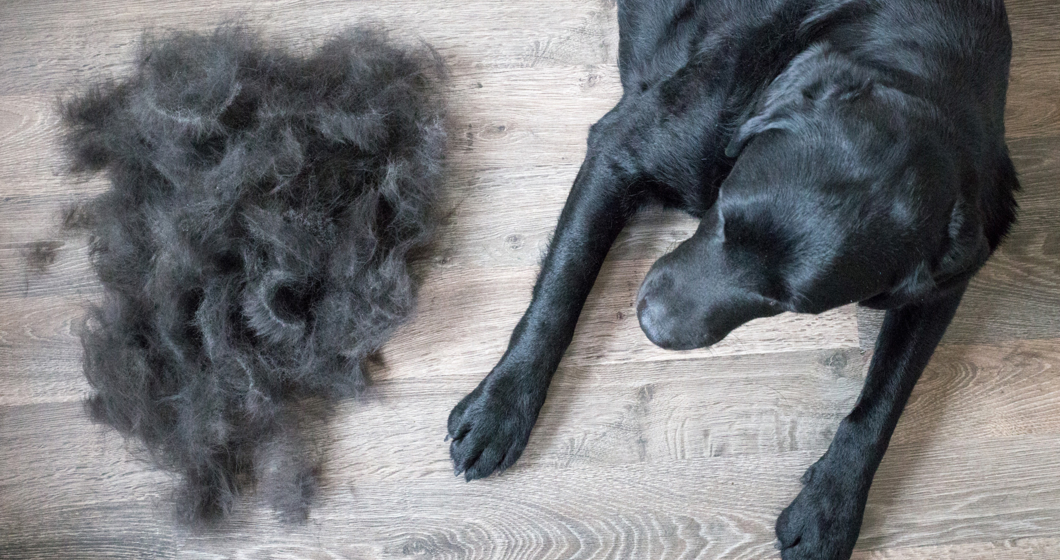
If it feels like your dog is leaving a trail of fur everywhere they go, you’re not imagining things. Shedding is a completely normal part of dog ownership, but that doesn’t make it any less frustrating. From fur on your clothes to clumps collecting in the corners of your home, many pet parents wonder why their dog sheds so much and what they can do about it. At DoodyCalls, we know life with dogs can get messy, so understanding shedding is a great first step toward managing it.
Why Do Dogs Shed?
Shedding is a natural and healthy process that allows dogs to get rid of old or damaged hair and make room for new growth. Just like people lose strands of hair each day, dogs are constantly cycling through hair growth and loss. How much a dog sheds depends on several factors, including breed, coat type, overall health, nutrition, and even stress levels.
For dog owners, shedding often means more frequent cleaning and grooming, but it also serves an important purpose for the dog. A healthy shedding cycle helps regulate body temperature and keeps the coat in good condition. While it may be inconvenient for humans, it’s a normal biological function for dogs.
How to Control Dog Shedding
While you can’t completely stop shedding, consistent grooming can make a big difference in how much fur ends up around your home. Brushing removes loose hair before it falls onto your floors, furniture, and clothing, and it also helps distribute natural oils that keep your dog’s coat healthy.
The frequency of grooming depends on your dog’s coat. Short-haired dogs may only need brushing once or twice a week, while medium- or long-coated breeds benefit from brushing several times per week. Dogs with thick double coats may require daily brushing during peak shedding seasons to keep the loose undercoat under control.
Professional grooming can also be helpful for certain breeds, especially those with dense coats or continuously growing hair. Breeds like doodle mixes, Golden Retrievers, Huskies, and Shih Tzus often benefit from routine visits to a professional groomer who can safely remove excess undercoat and prevent matting. Bathing can also help reduce shedding by loosening dead hair, but overdoing it may dry out the skin, so it’s best to follow a schedule recommended by your veterinarian or groomer.
Can You Stop a Dog from Shedding?
This is a common question from dog owners who feel overwhelmed by the amount of hair in their homes. The truth is that you can’t stop a dog from shedding entirely, and you shouldn’t want to. Shedding is a normal, healthy process that helps maintain your dog’s coat.
Instead of trying to eliminate shedding, it’s more realistic to manage it. Regular vacuuming, using washable furniture covers, and keeping lint rollers handy can make daily life much easier. Feeding a high-quality diet that supports skin and coat health can also help minimize excessive hair loss and keep the coat looking its best.
When Is Shedding Too Much?
Although shedding is normal, there are times when excessive shedding may signal an underlying issue. If you notice sudden or extreme hair loss, bald patches, irritated skin, or changes in your dog’s energy, appetite, or behavior like excessive licking, biting, or scratching, it’s a good idea to consult your veterinarian. Health-related causes of increased shedding may include allergies, parasites, hormonal imbalances, nutritional deficiencies, or stress.
Paying attention to changes in your dog’s coat and skin can help you catch potential problems early and ensure your pup stays healthy and comfortable.
Dog Shedding Season: What’s Happening?
Many dogs experience heavier shedding during certain times of the year, often referred to as “blowing their coat.” This typically happens in the spring and fall as dogs adjust to changing temperatures. In spring, they shed their thick winter undercoat to prepare for warmer weather. In the fall, they shed lighter summer fur as their coat thickens again for colder months.
Dogs with double coats have two distinct layers: a protective topcoat made of guard hairs and a soft insulating undercoat. The undercoat is usually responsible for the dramatic seasonal shedding that leaves piles of fluff around your home. Understanding this cycle can help you anticipate heavier shedding and increase grooming during those peak periods.
What Tools Can Help with Dog Shedding?
Using the right grooming tools can make managing shedding much more effective. Different coat types require different tools, and choosing the correct one can significantly reduce loose hair.
Helpful tools for managing shedding include:
Deshedding gloves for gentle daily grooming
Slicker brushes to remove loose hair and prevent tangles
Undercoat rakes for thick, double-coated breeds
Rubber grooming brushes for short-haired dogs
Regular use of these tools helps capture loose fur before it spreads throughout your home.
What Dogs Shed the Most?
Some breeds are well known for heavy shedding due to their thick or double-layered coats. Labrador Retrievers, German Shepherds, Golden Retrievers, Siberian Huskies, and Alaskan Malamutes are all examples of dogs that tend to shed a lot throughout the year, with especially heavy seasonal sheds.
On the other hand, no dog is completely shed-free, but some breeds shed much less than others. Poodles, Bichon Frises, Maltese, and Portuguese Water Dogs are often considered low-shedding breeds because their hair grows continuously and falls out less frequently. However, these breeds still require regular grooming to prevent matting and maintain a healthy coat.
Loving Our Furry Friends
Shedding is simply part of life with dogs, and while it can sometimes feel overwhelming, it’s usually a sign of a healthy coat doing exactly what it should. With consistent grooming, the right tools, and an understanding of seasonal shedding patterns, you can keep loose fur under control and make your home more comfortable for both you and your pet.
And while you’re staying on top of all that fur indoors, don’t forget about the mess your dog leaves outside. Keeping your yard clean is just as important as managing shedding inside the house. Professional pet waste removal services from DoodyCalls can handle the dirty work for you, giving you more time to enjoy life with your dog—fur and all.