

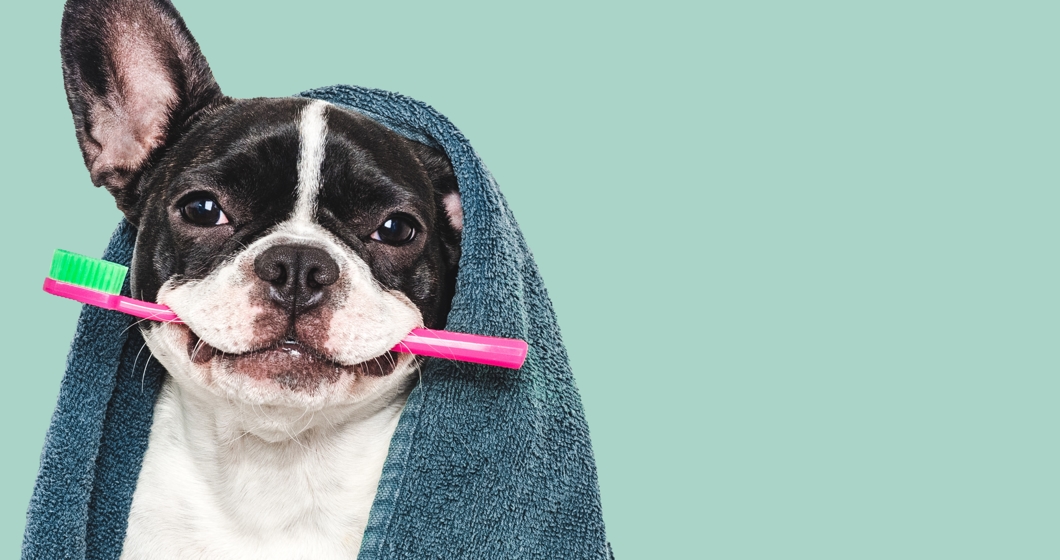
When it comes to caring for our dogs, dental health is one area that’s easy to overlook. After all, dogs don’t complain about toothaches the way we do, but that doesn’t mean they aren’t experiencing discomfort. While your veterinarian is always the best source for medical advice, having a basic understanding of dog dental care can help you stay proactive between checkups. Dog dental care goes far beyond fresh breath and pearly whites. It plays an important role in your dog’s overall health, comfort, and quality of life. Let’s break down what every pet parent should know.
What Is Dog Dental Care?
Dog dental care refers to maintaining the health of your dog’s teeth, gums, and mouth through regular at-home care, professional veterinary cleanings, and monitoring your dog’s teeth for chips, cracks, excessive wear, or discoloration.
Dogs can crack or chip teeth from chewing on hard objects like rocks, bones, antlers, or even non-food items around the yard. These injuries can be painful and may lead to infections if left untreated. Regular dental checks help catch these issues early before they become bigger problems.
Why Is Oral Care for Dogs Important?
Poor oral hygiene doesn’t just affect your dog’s mouth; it can impact their entire body. When plaque and tartar build up, bacteria can enter the bloodstream through inflamed gums and potentially affect the heart, liver, and kidneys.
Can Dogs Get Cavities?
Dogs can get cavities, but they’re less common than in humans. The bigger concern for dogs is periodontal disease, which affects the gums and supporting structures of the teeth. By age three, most dogs show some signs of periodontal disease.
What Is Periodontal Disease?
Periodontal disease starts as gingivitis (red, inflamed gums) and progresses to more serious infections that can lead to tooth loss. Early-stage gingivitis can be reversed with proper dental care. Once the disease advances, it can only be managed, not cured, making early prevention key.
Are Certain Dogs More Prone to Dental Issues?
Yes. Small and toy breeds (like Chihuahuas, Yorkies, and Dachshunds) tend to be more prone to dental problems due to crowded teeth. Flat-faced breeds may also have misaligned teeth that trap food and plaque more easily.
Signs Your Dog Has Poor Dental Health
Dogs are very good at hiding discomfort, which means dental problems can easily go unnoticed until they become more serious. That’s why pet parents need to know what signs to look for. The following symptoms may indicate your dog is experiencing dental trouble and could benefit from a veterinary checkup.
Bad breath (more than just “dog breath”)
Red, swollen, or bleeding gums
Yellow or brown tartar buildup on teeth
Difficulty eating or chewing on one side
Drooling more than usual
Pawing at the mouth or face
Loose, chipped, or missing teeth
How to Clean a Dog’s Teeth
Brushing your dog’s teeth may sound simple in theory, but in reality, it can take patience, especially if your dog isn’t used to having their mouth handled. Some dogs are hesitant, wiggly, or downright resistant at first, and that’s okay. The key is to start slowly, keep the experience positive, and know when to pause. If your dog becomes overly stressed, growls, snaps, or consistently refuses brushing, it’s best to stop and explore alternative dental care options rather than force it. Over time, many dogs become more comfortable with brushing when it’s introduced gradually and paired with praise or rewards.
What you’ll need:
Dog-specific toothpaste (Never use human toothpaste as it can contain ingredients like xylitol and fluoride, which are toxic to dogs and should never be used.)
A dog toothbrush or finger brush
Basic steps for brushing your dog’s teeth:
Start slow and allow your dog to taste the toothpaste so it feels familiar.
Gently lift your dog’s lips and brush using small, circular motions.
Focus on the gum line, where plaque and tartar tend to build up.
Keep brushing sessions short and positive to build trust and comfort.
How Do You Get Rid of a Dog's Bad Breath?
Bad breath usually means bacterial buildup. Regular brushing, dental chews, and professional cleanings are the most effective ways to keep breath fresh long-term.
How Often Should You Brush Your Dog’s Teeth?
When it comes to brushing your dog’s teeth, daily brushing is considered the best practice for optimal dental health. However, for many pet parents, that may not always be realistic—and that’s okay. Brushing your dog’s teeth two to three times per week can still make a meaningful difference in reducing plaque buildup and supporting healthier gums. In addition to at-home care, most dogs benefit from professional dental cleanings performed by a veterinarian about once a year. Dogs with heavy tartar buildup, signs of gum disease, or ongoing bad breath may require more frequent cleanings to prevent discomfort and more serious health issues.
How to Clean Dog Teeth Without Brushing
If your dog strongly resists brushing, you still have options that can play an important role in maintaining oral health. These methods can be incorporated into your dog’s oral care routine or be utilized when brushing isn’t always possible:
Dental chews and treats approved by the Veterinary Oral Health Council (VOHC)
Prescription dental diets
Dental powders you sprinkle on food
Water additives designed for dental health
Certain chew toys (avoid extremely hard items)
If your dog is chewing on non-food items like rocks, sticks, or other debris, this can seriously damage their teeth. It may also signal nutritional or behavioral issues. Learn more in our blog: “Why Is My Dog Eating Grass and Other Non-Food Items?”
How to Brush Puppy Teeth
Puppies develop their baby, or “milk,” teeth as early as three to four weeks old, and these teeth typically fall out between three and six months of age as their adult teeth come in. Even though puppy teeth are temporary, starting dental care early is important. Gently brushing your puppy’s teeth helps desensitize them to having their mouth handled, builds positive habits from the start, and makes dental care much easier as they grow into adulthood. Use a soft toothbrush and puppy-safe toothpaste, and keep brushing sessions short, calm, and fun to create a positive experience your puppy can grow comfortable with over time.
Healthy Smiles, Cleaner Yards
Dental care is an essential part of keeping your dog happy, healthy, and pain-free. From brushing and chew toys to professional cleanings, a little effort goes a long way in protecting your dog’s smile and their overall health.
And while you’re taking care of your dog from nose to tail, don’t forget their outdoor space. A clean, poop-free yard helps reduce bacteria, parasites, and odors that can affect your pet’s health. DoodyCalls makes it easy with professional pet waste removal services—because clean yards make for happier dogs and plenty of slobbery smiles.