

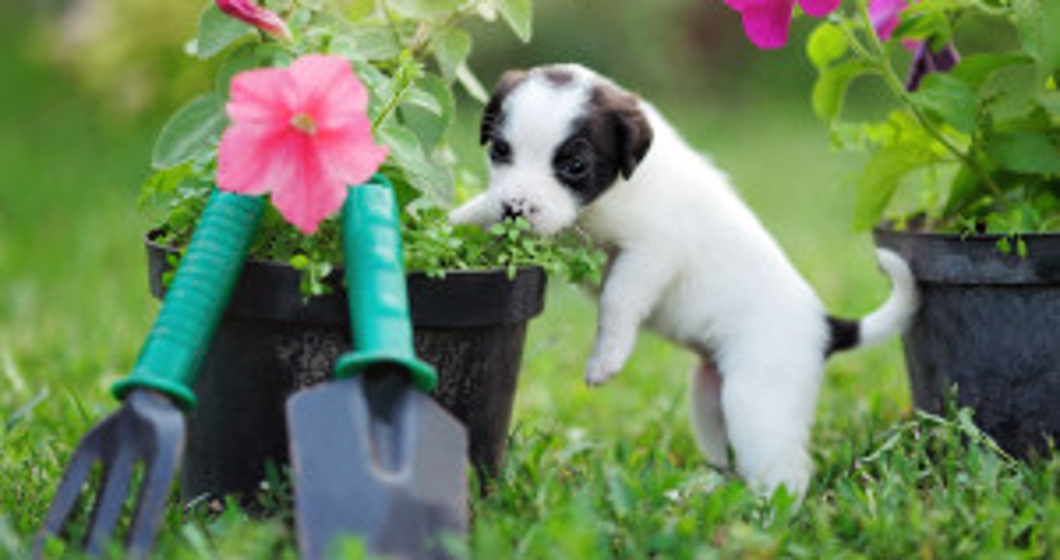
If you’re a dog owner in Eastern MA, you already know how curious and playful our furry friends can be—especially when it comes to sniffing, chewing, or even tasting plants in and around the home. While a touch of greenery can brighten any space or yard, not all plants are safe for your four-legged family members. In fact, some common indoor and outdoor plants can be downright dangerous to dogs.
Whether you’re decorating your living room or planting a garden this spring, it’s important to know which plants could put your pup at risk. As your local pet waste removal experts at DoodyCalls of Eastern MA, we’re all about helping pet parents create safer, cleaner environments for their pets. Let’s break down which plants to avoid and how to keep your dog safe from toxic greenery.
Common indoor plants that are harmful to dogs
Indoor plants are popular in Eastern MA homes, especially during the colder months when we're all spending more time inside. But some of the most popular houseplants are toxic to dogs if ingested.
1. Peace lily: Beautiful and low-maintenance, but peace lilies contain calcium oxalate crystals that can cause oral irritation, drooling, vomiting, and difficulty swallowing.
2. Snake plant (Mother-in-law’s tongue): While trendy and easy to care for, this plant can cause nausea, vomiting, and diarrhea in dogs.
3. Pothos (Devil’s ivy): A favorite for hanging baskets, pothos is mildly to moderately toxic to dogs and can lead to mouth and throat irritation, vomiting, and swelling.
4. Aloe vera: Though known for its healing properties for humans, aloe can be toxic to dogs, causing vomiting, diarrhea, and lethargy if eaten.
If your dog is known for poking around your plants, it may be best to keep these varieties out of reach—or out of the house entirely.
Outdoor plants to avoid in your yard or garden
Here in Eastern MA, our outdoor spaces are a huge part of enjoying the warmer seasons. Whether you're planting flowers, vegetables, or shrubs, be cautious about what goes into your landscaping.
1. Azaleas and rhododendrons: These are stunning flowering shrubs common in New England gardens, but they’re extremely toxic to dogs. Just a few leaves can cause serious symptoms, including vomiting, weakness, and even heart issues.
2. Foxglove: Known for its tall, dramatic flowers, foxglove contains digitalis compounds that can affect heart function. It’s highly toxic to both dogs and humans.
3. Hydrangeas: While a staple in many Eastern MA yards, hydrangeas can cause stomach upset, lethargy, and depression in dogs.
4. Tulips and daffodils: Spring bulbs are beautiful but risky. The bulbs, in particular, contain toxins that can cause gastrointestinal distress, drooling, and heart problems if ingested.
5. Tomato plants: Many backyard gardeners don’t realize that the stems and leaves of tomato plants can be toxic to dogs, causing weakness, confusion, and gastrointestinal issues.
How to keep your Eastern MA dog safe from harmful plants
As pet lovers ourselves, we understand how stressful it can be to think something as innocent as a houseplant could harm your best friend. Here are a few ways to keep your Eastern MA home and yard dog-safe:
1. Learn before you plant: Use pet-safe plant guides or consult with your local nursery in Eastern MA to choose dog-friendly options.
2. Elevate your indoor plants: If you can’t part with a plant that’s mildly toxic, consider placing it on a high shelf or in a hanging planter where your dog can’t reach it.
3. Fence off garden areas: Simple garden fencing can help keep curious pups away from potentially toxic plants. Raised beds can also be helpful for discouraging digging.
4. Supervise outdoor time: Especially in the spring and summer months, keep an eye on your dog while they’re outside. If they’re showing extra interest in a plant, it might be time to check if it’s safe.
5. Know the signs of plant poisoning: Symptoms can include vomiting, drooling, diarrhea, lethargy, or changes in behavior. If you suspect your dog has eaten a toxic plant, contact your vet or the ASPCA Animal Poison Control Center right away.
Safe plant alternatives for pet-friendly homes
There are plenty of beautiful, dog-safe plants to enjoy both indoors and out. Consider these safer options for your Eastern MA home:
Indoor: Spider plants, areca palms, prayer plants, and Boston ferns
Outdoor: Marigolds, sunflowers, snapdragons, and petunias
These varieties can brighten your space without putting your pup in danger.
Final thoughts from DoodyCalls of Eastern MA
At DoodyCalls of Eastern MA, we believe that a clean, safe environment is the foundation of a happy life with your pet. Keeping toxic plants out of your home and yard is just one piece of the puzzle. Pairing that with professional pet waste removal ensures your outdoor space stays fresh, healthy, and ready for playtime.
Have questions about creating a more dog-friendly yard in Eastern MA? We're here to help.
Get in touch with DoodyCalls of Eastern MA—we scoop the poop so you don’t have to!