

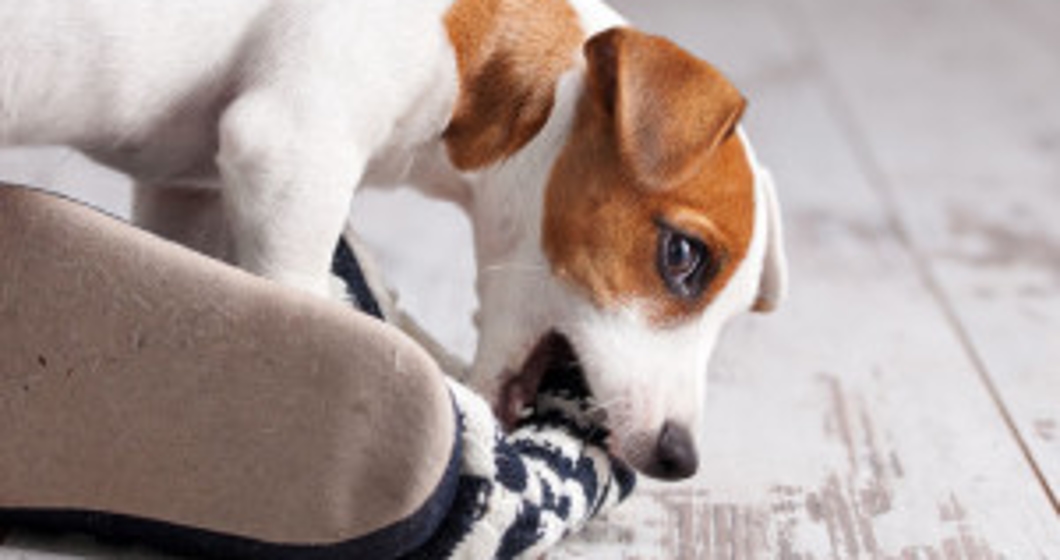
If you’re a dog owner in Knoxville, TN, you’ve probably come home at least once to find a shoe, couch cushion, or charging cable in pieces on the floor. Chewing is a completely normal behavior for dogs—but when it’s directed at your belongings instead of their toys, it can be frustrating, costly, and even dangerous for your pup.
At DoodyCalls of East Tennessee, we love our dogs just as much as you do, and we know how important it is to keep both your pet and your home safe. If you're dealing with a teething puppy or a bored adult dog who likes to gnaw on furniture, this guide is here to help you redirect that behavior the right way.
Why dogs chew (and why it’s not just “bad behavior”)
Before you can solve the chewing problem, it’s important to understand why your dog is doing it. Here are the most common reasons dogs chew on things they shouldn't:
Teething: Puppies in Knoxville, like puppies everywhere, go through a teething stage (typically 3 to 6 months old) where chewing helps relieve the discomfort.
Boredom: If your dog is left alone for long periods with little stimulation, they’ll often find their own entertainment—which might include your favorite throw pillow.
Anxiety: Dogs with separation anxiety or stress may chew as a way to cope.
Lack of exercise: Without enough physical and mental activity, dogs may chew to release pent-up energy.
Curiosity: Especially for younger dogs, chewing is a way to explore the world.
Once you know what’s driving the behavior, you can start taking steps to manage and redirect it.
Provide the right kind of chew toys
Dogs in Knoxville love to chew—so instead of trying to stop the behavior entirely, give them appropriate things to chew. High-quality, durable chew toys are a must. Try rotating different textures, shapes, and materials to see what your dog prefers. For puppies, soft rubber or teething-specific toys work best. For adult dogs, tougher toys like Kongs, antlers, or nylon bones may last longer.
Stuffing toys with treats or peanut butter can make them more enticing. Freeze them for a longer-lasting challenge—especially helpful during those hot East Tennessee summers.
Dog-proof your home
Just like you’d baby-proof a house for a toddler, dog-proofing can save you a lot of heartache (and money). Start by putting tempting items out of reach:
Keep shoes, socks, and kids’ toys off the floor.
Tuck away charging cords and electronics.
Use pet-safe bitter sprays on furniture legs or rugs that attract attention.
It’s also worth closing doors to rooms you can’t supervise and crating your dog when you're not home—just make sure the crate is a positive, safe space.
Create a consistent routine
Knoxville dogs, just like humans, thrive on routine. Make sure your pet gets regular walks, playtime, and bathroom breaks. A well-exercised dog is less likely to chew out of boredom or excess energy.
In East Tennessee, we’re lucky to have dog-friendly parks and hiking trails. A morning run or an evening stroll along the Tennessee River can work wonders for your dog’s energy level (and your peace of mind).
Use training and positive reinforcement
Dogs don’t naturally know the difference between a $2 rope toy and a $200 shoe. It's our job as pet parents to teach them.
Redirect immediately: If you catch your dog chewing on something off-limits, don’t yell—just calmly remove the item and offer a chew toy instead.
Praise the good: When your dog chews the right thing, let them know! Enthusiastic praise or a small treat reinforces the behavior you want.
Be consistent: Everyone in the home needs to follow the same rules. Mixed signals confuse dogs and slow down learning.
Over time, with consistency and patience, your Knoxville pup will learn what’s theirs and what’s off-limits.
Address anxiety or stress
If your dog’s chewing seems compulsive or starts suddenly, they may be dealing with anxiety. Common triggers include changes in routine, loud noises (hello, fireworks season in East Tennessee), or being left alone for long periods.
Try calming solutions like puzzle toys, calming chews, or even background music. For more serious cases, consult your vet or a local dog behaviorist in Knoxville who can help you develop a custom plan.
Don’t forget cleanup and maintenance
Even well-trained dogs have their moments—especially when they’re young. That’s where DoodyCalls of East Tennessee comes in. We help Knoxville pet owners keep their yards clean and free of waste, so your dog has a safe, sanitary place to play and burn energy. Regular yard cleaning also helps discourage chewing on inappropriate items outside, like sticks, rocks, or garbage.
Final thoughts: You’re not alone
Chewing is one of the most common issues East Tennessee pet owners face—but it is manageable. With a mix of training, patience, and the right tools, your dog can learn to chew responsibly. And remember, every pup is different—what works for one dog might not work for another, so stay flexible and don’t be afraid to ask for help.
Need help managing the other messy parts of pet ownership? DoodyCalls of East Tennessee is here for you. Serving Knoxville, TN and surrounding areas, we offer professional pet waste removal so you can focus on enjoying your time with your dog—not cleaning up after them.