

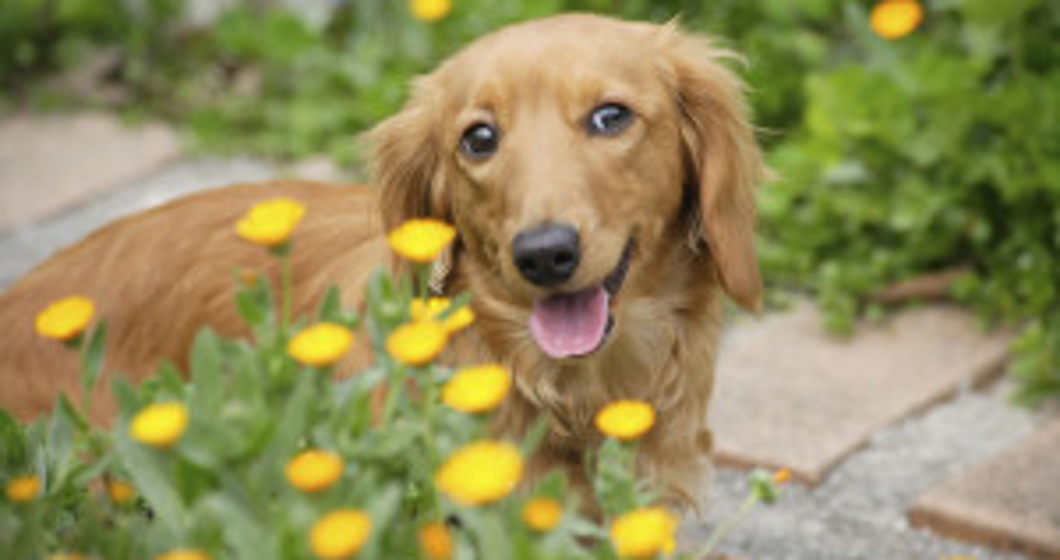
For many Baltimore-Hartford pet owners, dogs are family. They share our homes, curl up on the couch, and follow us from room to room. But while your home may feel perfectly safe, there are everyday household items that can pose serious risks to your pup.
From common houseplants to pantry staples and cleaning products, accidental poisoning happens more often than many dog owners realize. Curious dogs explore with their noses and mouths, and it only takes one bite or spill to create a dangerous situation.
At DoodyCalls of Baltimore-Hartford, helping local pet owners create cleaner, safer outdoor spaces is part of the mission. Knowing what hazards to watch for inside and outside your home can help keep your dog healthy year-round.
Common household plants that are dangerous for dogs
Many popular indoor and outdoor plants can be toxic to dogs. Some may cause mild stomach upset, while others can lead to severe illness or even become life-threatening.
A few of the most common toxic plants include:
Lil ies
Aloe vera
Sago palms
Tulips
Daffodils
Pothos
Azaleas
Philodendrons
Symptoms of plant poisoning in dogs may include vomiting, diarrhea, drooling, lethargy, trouble breathing, or seizures.
Baltimore-Hartford pet owners often decorate patios, decks, and gardens with seasonal flowers in spring and summer. Before adding new plants to your landscaping, double-check whether they are pet-safe. This is especially important if your dog spends a lot of time roaming the yard.
Keeping your lawn clean and free of waste can also help you notice unusual behavior faster. Dogs that are already dealing with digestive issues from ingesting something toxic may show symptoms in the yard first.
Foods that should never be shared with dogs
Most dog owners know chocolate is is bad for pets, but many other common foods can also be dangerous.
Foods toxic to dogs include:
Chocolate
Grapes and raisins
Onions and garlic
Macadamia nuts
Alcohol
Xylitol sweetened sweeteners
Caffeine’s
Raw bread dough
Even small amounts of some of these foods can cause serious health problems. Grapes and raisins, for example, may lead to kidney failure in dogs. Xylitol sweet sweeteners are especially dangerous because they can cause a rapid drop in blood sugar.
For Baltimore-Hartford families who entertain often, especially during holidays and summer cookouts, food safety becomes even more important. Guests may unknowingly feed table scraps to dogs, or food may be left within easy reach on counters and picnic tables.
If your dog is known for counter surfing or digging through trash, use secure garbage lids and avoid leaving food unattended.
Household products that can harm dogs
Many cleaning and maintenance products found in homes throughout Baltimore-Hartford can be hazardous to pets.
Potentially toxic products include:
Bleach and disinfectants
Laundry detergent pods
Antifreeze
Rodenticides
Fertilizers
Essential oils
Paint and paint thinners
Medications
Dogs can be exposed by licking spills, chewing containers, or walking through treated areas and licking their paws afterward.
Pet owners should be especially cautious with lawn and garden chemicals. Preparing your Baltimore-Hartford yard for warmer weather often involves fertilizers, weed killers, or pest treatments. Always follow product directions carefully and keep dogs away from treated areas until they are completely safe.
One simple way to maintain a healthier yard for your dog is by staying consistent with pet waste removal. Dog waste can attract pests and bacteria that create additional health concerns for pets and families alike.
Warning signs your dog may have eaten something toxic
Dogs cannot tell us when something is wrong, so it is important to recognize the warning signs of poisoning quickly.
Symptoms may include:
Vomiting
Diarrhea
Excessive drooling
Loss of appetite
Tremors
Trouble walking
Fatigue
Seizures
If you suspect your dog has consumed something toxic, contact your veterinarian or an emergency animal hospital immediately. Acting quickly can make a major difference in treatment outcomes.
It is also helpful to keep the packaging or a sample of the suspected substance nearby when speaking with a vet.
Creating a safer environment for your dog
Protecting your pet starts with awareness. Baltimore-Hartford dog owners can reduce risks by keeping harmful foods out of reach, researching plants before bringing them home, and storing chemicals securely.
Maintaining a clean yard also plays an important role in your dog’s overall health and safety. A cleaner outdoor environment makes it easier to monitor your pet’s behavior and creates a more enjoyable space for everyone in the household.
At DoodyCalls of Baltimore-Hartford, helping Baltimore-Hartford pet owners enjoy cleaner, healthier yards is what we do best. Whether you have one dog or several, keeping your outdoor space sanitary can help support a safer environment for your furry family members.