

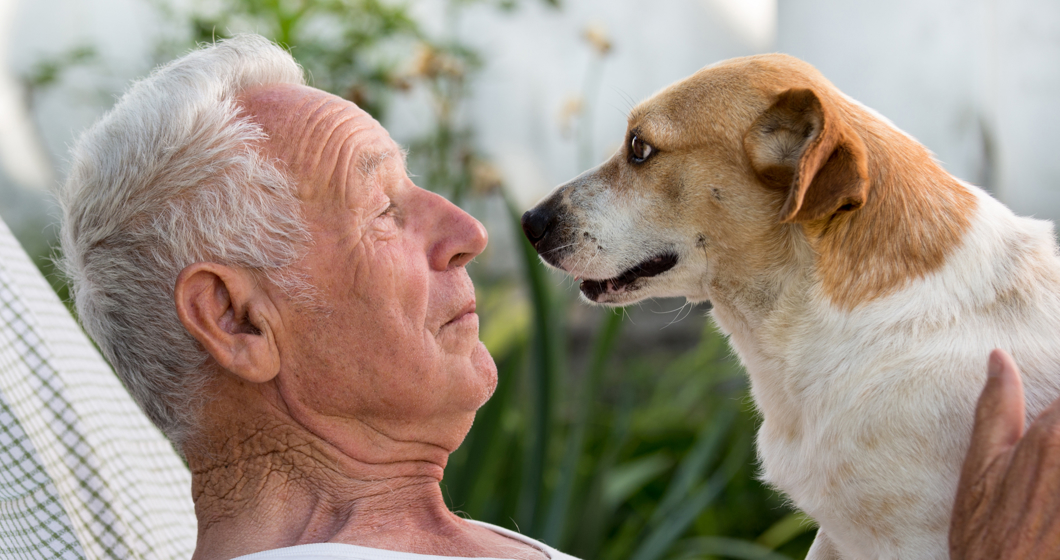
For many seniors, a dog is much more than a pet. Dogs provide companionship, affection, routine, and a reason to stay active and engaged. A daily walk can provide exercise, while simply having a loyal companion around the house can help reduce feelings of loneliness and provide comfort.
But as we age, some of the responsibilities that come with pet ownership can become more challenging. Mobility limitations, reduced strength, difficulty driving, or simply having less energy can make tasks such as walking a dog, lifting a heavy bag of food, grooming, or cleaning up the yard more difficult.
Fortunately, seniors don't have to manage every aspect of pet care on their own. There are resources available to help older adults continue enjoying the companionship of their pets.
Consider Adopting a Senior Pet
For seniors considering a dog, adopting a senior pet can be a great option. Older dogs are often calmer, have established personalities, and typically require less training and supervision than puppies, making them a good fit for many older adults.
Some shelters and rescues also offer reduced or waived adoption fees for seniors adopting senior pets. If you're searching for free dog adoptions for senior citizens, check with local shelters, humane societies, and rescue organizations about senior adoption programs and dogs that match your lifestyle and activity level.
Finding Low-Cost Veterinary Care
Veterinary care is essential, but costs can be challenging for seniors living on a fixed income. Fortunately, low-cost vet care for seniors may be available through local shelters, humane societies, nonprofit clinics, and community programs. Some organizations offer reduced-cost wellness care, vaccinations, and other services.
National organizations may also offer assistance with veterinary expenses if you need help with vet bills.
The ASPCA, for example, works with communities to provide resources such as pet food banks, community veterinary clinics, vaccination programs, and subsidized services designed to help keep pets with their families.
For emergency situations, organizations such as RedRover Relief may provide grants to help pet owners facing financial hardship when a pet needs urgent, life-saving veterinary care. The American Veterinary Medical Foundation also operates its REACH program, which provides grants through participating veterinarians to help cover eligible veterinary care for clients experiencing financial hardship. Pet owners do not apply directly; their veterinarian must submit the request.
When looking for help with vet bills, start locally. Ask your veterinarian about payment plans, reduced-cost services, charitable funds, or nonprofit organizations that may assist pet owners in your area. Local shelters and humane societies can also be valuable sources of information about available programs.
Help for Elderly Pet Owners
Veterinary care isn't the only area where seniors may need a little extra assistance. Everyday pet-care responsibilities can become physically demanding over time. Fortunately, many services can help with these tasks.
Dog Walking
Regular exercise is important for dogs, but seniors may not always be able to take their dogs on long walks comfortably. A professional dog walker can provide a dog's daily exercise while helping an owner avoid physically demanding walks.
Grooming
Bathing, brushing, nail trimming, and other grooming tasks can require bending, lifting, standing, and physical strength. Professional groomers can take these responsibilities off an owner's plate.
For seniors who have difficulty traveling to a grooming salon, a mobile groomer may be an especially convenient option. Mobile grooming services bring the grooming experience directly to the pet's home, reducing the need for transportation.
Businesses like Woofie’s provide mobile grooming, dog walking, and pet sitting services, offering convenience and peace of mind for seniors who may have difficulty getting out of the house.
Veterinary Visits
Getting a dog into the car and transporting them to a veterinary office isn't always easy. Finding a mobile veterinarian in your area can provide another option for seniors who have transportation or mobility challenges.
Virtual veterinary services may also be useful in certain circumstances. Veterinary telemedicine can help address transportation, financial, geographic, and logistical barriers, including challenges faced by seniors and people without easy access to transportation. Of course, virtual care isn't appropriate for every situation, and pets needing urgent or hands-on medical attention should still be seen by a veterinarian.
Feeding Your Furry Friend
A large bag of dog food may not seem like a difficult purchase until you're the one who has to lift it, carry it, load it into a vehicle, and bring it into the house.
Dog food delivery services can eliminate much of that physical work. Many pet supply retailers and online stores offer home delivery, allowing seniors to have food, treats, litter, and other supplies delivered directly to their door.
Companies like The Farmer’s Dog offer pet food delivery services, ensuring seniors have access to nutritious and high-quality food for their furry companions.
Local organizations may also assist with pet food. Pet food banks are among the types of safety-net programs available in some communities. Seniors can also check with local senior service organizations, food pantries, animal shelters, and Meals on Wheels programs to see whether pet food assistance is available in their area.
Scooping for Seniors
One of the less glamorous responsibilities of dog ownership is also one that can become particularly difficult with age: scooping the yard. Picking up dog waste requires repeated bending, walking around the yard, and sometimes navigating uneven or slippery ground. For someone experiencing mobility or balance challenges, this routine chore can become uncomfortable or even unsafe.
That's where a professional pet waste management service can help. DoodyCalls provides scheduled pet waste removal for dog owners who would rather spend their time enjoying their pets instead of cleaning up after them. Service can be scheduled regularly, helping keep the yard clean without requiring the homeowner to bend, scoop, and carry pet waste repeatedly.
For seniors who want to continue living independently with their pets, outsourcing a task like yard cleanup can be a simple form of senior home help that makes everyday life a little easier.
Helping Seniors with Pets
Needing assistance with pet care doesn't mean a senior has to give up the companionship of a beloved dog. In many cases, a few small changes or a little outside help can make pet ownership much more manageable.
For family members and caregivers, it's also worth paying attention to changes in a senior's ability to manage pet-care responsibilities. Offering to arrange a dog-walking service, set up food delivery, find a mobile veterinarian, or schedule regular yard cleanups can be a practical way to provide help for elderly loved ones without taking away their independence. With the right support, seniors can continue to enjoy the unconditional love, comfort, and joy that come with having a dog by their side.