

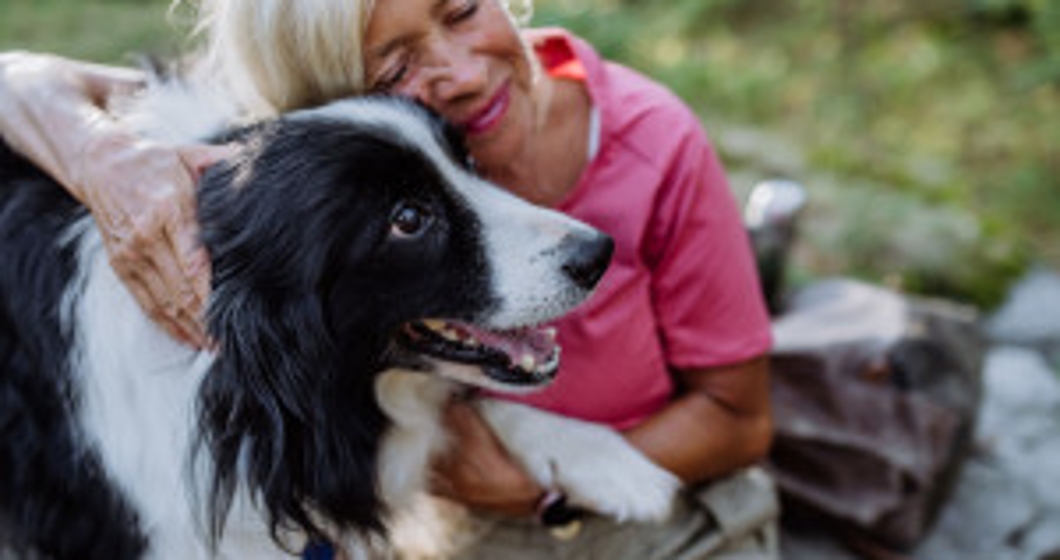
If you share your home, and your yard, with a dog, you already know they’re more than pets. They’re family. But one thing many Richmond, VA pet owners still wonder is: How do dogs actually show their emotions? Understanding your pup’s emotional language doesn’t just strengthen your bond, it also helps you keep them happier, safer, and more comfortable in your shared spaces. At DoodyCalls of Richmond, we spend a lot of time around dogs (and the evidence they leave behind), so we’ve picked up plenty of insights into how dogs communicate their feelings long before they ever bark.
Below, we’ll walk through the emotional cues dogs use every day, many of which you’re probably already seeing in your Richmond backyard.
The gentle tail wag: more than a friendly hello
Tail wagging seems simple, but it’s actually one of the most misunderstood emotional signals dogs have. A loose, swooping wag usually means happiness or excitement. That happy full-body wiggle? Richmond pet owners, that’s your dog telling you that life is good.
But a stiff, rapid wag can signal tension. If you’re preparing your Richmond dog for a new experience, meeting a neighbor, greeting another dog, or welcoming a visitor into the yard, watch how their tail moves. It can be the earliest sign of how they’re truly feeling.
The eyes say everything
Dogs use their eyes the same way we do, to express emotion without a sound. Soft eyes, slow blinking, and relaxed brows mean your dog is comfortable and connected.
Hard stares, wide-open eyes, or visible whites (“whale eye”) indicate stress, discomfort, or fear. Richmond, VA has plenty of stimulating outdoor spaces, trails, dog parks, busy sidewalks, so keeping an eye on your dog’s eye expressions can help you understand when a situation feels overwhelming.
Body posture: confidence vs. caution
Your dog’s stance can reveal the emotions behind their behavior:
Relaxed posture: Loose muscles, even weight distribution, and a slight sway mean all is well.
Crouched or low posture: Indicates fear, uncertainty, or submission.
Forward-leaning posture: Shows curiosity, excitement, or alertness.
If your dog starts lowering their body when another dog approaches or stiffening up during backyard playtime, they may be signaling that they need space or reassurance.
Vocalizations aren't always about noise
Dogs don’t just bark for attention, they bark to express an emotion:
High-pitched barks: Excitement or anticipation. (Like when you pick up the leash!)
Low growls: Warning or discomfort.
Whining: Anxiety, stress, or sometimes simply wanting something from you.
Richmond dog owners often hear these emotions loud and clear during thunderstorms, fireworks, or neighborhood gatherings. Understanding the emotion behind the sound helps you respond to your dog more compassionately.
Smells, scents, and emotional cues
Believe it or not, your dog’s potty behavior can reveal emotional information too. Dogs often mark more frequently when they’re anxious or overwhelmed. Changes in poop habits, new locations, unusual times of day, can also coincide with stress or excitement.
At DoodyCalls of Richmond, we regularly help customers who notice sudden changes in their dog’s waste patterns. Sometimes it’s just a new routine or a new environment. But other times, understanding the emotional cause helps owners support their dogs better.
Physical affection: their love language
Dogs show love in ways both subtle and loud:
Leaning against your leg
Nudging your hands
Following you around the house
Curling up near you (or on top of you!)
These small expressions are your dog’s way of feeling connected. For Richmond pet owners juggling busy schedules, even a few moments of physical connection can greatly support your dog’s emotional well-being.
Stress signals to watch for in your Richmond backyard
Many dogs show stress in surprisingly quiet ways. You may see:
Lip licking
Yawning outside of tiredness
Excessive sniffing
Pacing
Sudden shaking (like after a bath)
These subtle behaviors are how your dog resets emotionally. If your backyard in Richmond, VA becomes too noisy or chaotic, construction, traffic, new smells, new people, your dog may show these signs long before any barking or growling begins.
How understanding dog emotions helps you, and your yard
A dog who feels understood is a dog who behaves better, socializes better, listens better, and stays safer, and for Richmond pet owners, a more relaxed dog also means a cleaner, calmer outdoor space.
Many of our DoodyCalls of Richmond customers tell us they can enjoy their yard more when they know it’s clean, odor-free, and safe for their dog to explore. Reducing stress in your dog’s environment starts with understanding their needs, and keeping their outdoor space tidy is part of that.
Let DoodyCalls of Richmond support your dog’s emotional well-being
Dogs thrive when their world feels predictable and comfortable. A clean yard is one simple way to support their emotional health, fewer messes, fewer smells, and fewer stress triggers.
If you’d like to keep your Richmond, VA yard fresh, healthy, and dog-friendly all year long, DoodyCalls of Richmond is here to help. We take the dirty work off your plate so you can focus on enjoying your dog, and all the wonderful emotions they bring into your life.