

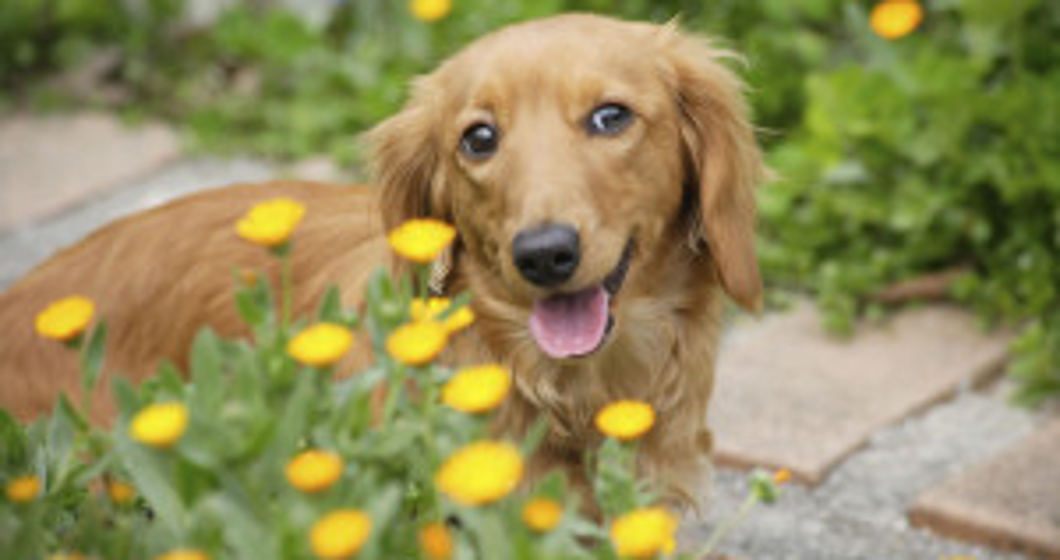
If you are a dog owner who loves gardening, you already know the struggle. One minute your flower beds look beautiful, and the next minute your dog has turned them into a digging zone. Many Richmond VA pet owners deal with the same frustration. Fresh mulch gets scattered across the yard, delicate flowers get trampled, and carefully planted vegetables suddenly disappear.
Dogs are naturally curious animals. They dig, sniff, and explore the world through their noses and paws. Unfortunately, that curiosity can quickly destroy a garden you worked hard to create. The good news is that with a few practical strategies, Richmond pet owners can protect their gardens without making their dogs feel restricted or unhappy.
Below are several simple ways to keep your dog out of the garden and preserve the plants and flowers you love.
Understand why dogs are attracted to gardens
Before solving the problem, it helps to understand why your dog keeps going back to the garden. For many Richmond dog owners, the issue comes down to natural behavior.
Dogs often dig in soft soil because it feels good on their paws and makes it easy to bury toys or bones. Gardens also attract dogs because of the smells. Fresh fertilizer, compost, and new plants all create interesting scents that encourage exploration.
Some dogs also dig because they are bored or have excess energy. This is especially common for active breeds that need daily physical and mental stimulation. If your dog spends long periods in the yard without activities, your flower beds may become their entertainment.
Understanding this behavior helps Richmond pet owners choose solutions that address the cause rather than just the symptoms.
Create a designated digging area
One of the most effective solutions is to give your dog a place where digging is allowed.
Instead of constantly correcting the behavior, create a small digging zone in a different part of your yard. Use loose soil or sand and bury a few toys or treats to make the area exciting for your dog.
When your dog starts digging in the garden, gently redirect them to their designated area. Over time they will learn where digging is acceptable.
For many Richmond dog owners, this simple change dramatically reduces garden damage because the dog still gets to enjoy a natural behavior without ruining plants.
Install physical barriers around garden beds
Sometimes the most practical solution is simply creating a barrier between your dog and the garden.
Low decorative fencing works well for many Richmond VA yards. Even a small border can discourage dogs from walking through garden beds. Raised garden beds are another great option because they create a clear boundary that dogs are less likely to enter.
Other barrier ideas include:
Garden edging
Decorative rock borders
Short lattice fencing
Raised planter boxes
These solutions blend nicely into landscaping while still protecting plants from curious paws.
Use dog-safe scent deterrents
Dogs rely heavily on smell, which means scent-based deterrents can help keep them away from specific areas.
Certain smells are naturally unpleasant to dogs but harmless to plants. Many Richmond pet owners use citrus scents around their gardens because dogs typically dislike them. Vinegar-based sprays can also work as temporary deterrents.
You can also purchase pet-safe garden deterrent sprays designed specifically for keeping dogs away from landscaping.
Just remember that rain can wash away these scents, so they may need to be reapplied regularly.
Give your dog more exercise and stimulation
A tired dog is far less likely to dig up your garden.
Many Richmond pet owners find that increasing their dog's daily activity makes a huge difference. Longer walks, interactive toys, and regular playtime can burn off the extra energy that often leads to digging.
Mental stimulation is just as important. Puzzle toys, training exercises, and scent games can keep your dog engaged and less interested in garden exploration.
If your dog spends a lot of time outdoors, rotating toys and adding new activities can help keep the yard interesting without involving your flower beds.
Train clear boundaries for the garden
Training can go a long way in protecting your landscaping.
Start by supervising your dog when they are in the yard. If they approach the garden, calmly redirect them and reward them for staying in appropriate areas. Over time, your Richmond dog will begin to associate the garden with a boundary they should not cross.
Consistency is key. Every member of the household should reinforce the same rules so your dog receives a clear message.
Positive reinforcement works far better than punishment. Rewarding good behavior helps your dog understand what you want them to do instead of simply telling them what not to do.
Keep your Richmond yard clean and comfortable
Another overlooked factor is overall yard maintenance. Dogs are often drawn to messy areas or spots with lingering odors.
Keeping your yard clean can help reduce unwanted digging behavior. For Richmond pet owners, regular yard cleanup also prevents dogs from being attracted to certain spots repeatedly.
Professional pet waste removal services can help maintain a cleaner yard environment, making it easier to manage both your landscaping and your dog's habits.
Protect your garden and enjoy your yard
For many Richmond VA pet owners, the backyard is meant to be shared with both family and pets. With the right strategies, you do not have to choose between a healthy garden and a happy dog.
By understanding your dog's behavior, creating designated play areas, adding barriers, and reinforcing training, you can significantly reduce garden damage. Richmond pet owners who take a proactive approach often find their dogs quickly learn which areas of the yard are off limits.
A little planning now can help you protect your plants, preserve your landscaping, and enjoy a yard that works for both you and your dog.