

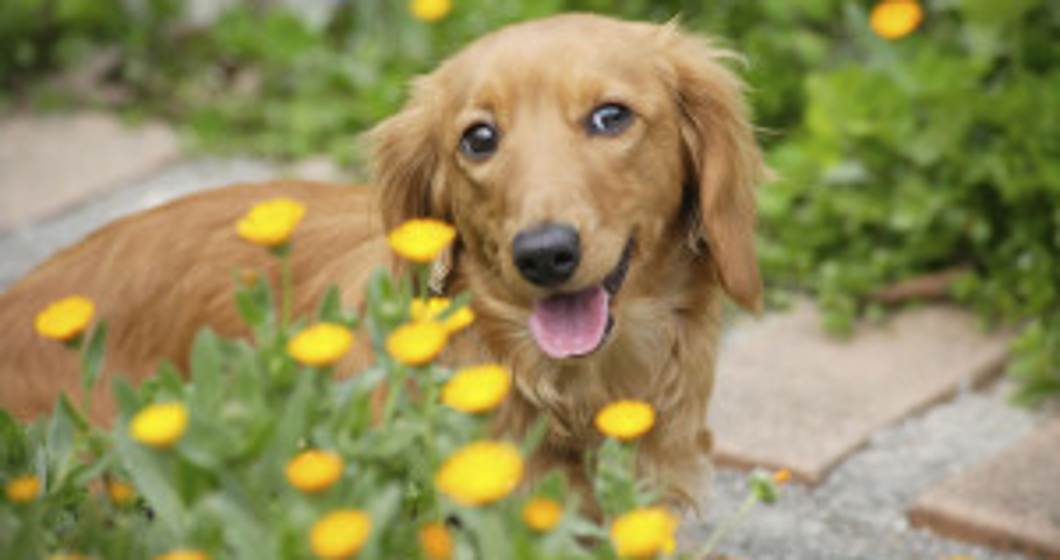
Dogs are naturally curious. They sniff, chew, lick, and explore just about everything they can reach. For many Central Suffolk pet owners, that curiosity can quickly turn dangerous when everyday household items become hidden hazards. From common foods in the kitchen to decorative plants in the living room, many products we use every day can pose serious risks to dogs.
At DoodyCalls of Central Suffolk, we know pets are family. Keeping your dog safe starts with understanding which household items could cause harm and what steps you can take to create a safer environment for your furry companion.
Toxic foods many dog owners overlook
Most Central Suffolk dog owners already know chocolate is dangerous for dogs, but many other foods can also lead to serious health problems.
Grapes and raisins are among the most dangerous foods for dogs. Even small amounts can lead to kidney failure. Onions and garlic, whether raw, cooked, or powdered, can damage a dog’s red blood cells and cause anemia. Avocados contain persin, which may upset a dog’s stomach and create complications in larger quantities.
Xylitol is another major concern. This artificial sweetener is found in sugar-free gum, candy, peanut butter, baked goods, and even some toothpaste brands. In dogs, xylitol can cause a rapid drop in blood sugar and potentially life-threatening liver damage.
Alcohol, caffeine, and foods with excessive fat should also stay far away from your dog’s bowl. Fatty leftovers can trigger pancreatitis, a painful and potentially serious condition that often requires emergency veterinary care.
For busy Central Suffolk pet owners, it only takes a moment for a dog to grab food from a countertop or trash can. Keeping harmful foods securely stored and garbage tightly sealed can help prevent accidental poisoning.
Common household plants that can be dangerous
Plants add beauty to homes across Central Suffolk, but many popular indoor and outdoor varieties are toxic to dogs.
Lilies, aloe vera, pothos, sago palms, tulips, and daffodils can all cause symptoms ranging from mild stomach upset to severe organ damage. Sago palms are especially dangerous because every part of the plant is toxic, including the seeds. Ingesting even a small amount can lead to liver failure.
Hydrangeas and azaleas are also common landscaping plants that can pose risks to dogs who like to chew leaves or flowers while outside.
Even if your dog usually ignores plants, puppies and younger dogs are more likely to explore by chewing. Preparing your Central Suffolk dog for a safe home environment means checking both indoor and outdoor plants before bringing them into your space.
If you are unsure whether a plant is safe, it is always best to research it before purchasing or planting it.
Cleaning products and chemicals to watch closely
Many household cleaning products contain chemicals that are harmful to pets. Bleach, disinfectants, drain cleaners, laundry detergent pods, and toilet bowl cleaners can all cause burns, breathing problems, or poisoning if swallowed or inhaled.
Antifreeze is another major danger for Central Suffolk pet owners. Even a small puddle in the driveway can attract dogs because of its sweet taste. Unfortunately, antifreeze is highly toxic and often fatal if not treated immediately.
Fertilizers, weed killers, rodent poison, and insecticides also create serious outdoor hazards. Dogs walking through treated grass may ingest chemicals simply by licking their paws afterward.
Pet-safe cleaning alternatives are becoming more popular, and many Central Suffolk homeowners are making the switch to reduce health risks for both pets and children.
Human medications can become pet emergencies
One of the most common reasons dogs end up in emergency veterinary clinics is accidental ingestion of human medication.
Pain relievers like ibuprofen and acetaminophen are especially dangerous. Antidepressants, sleep aids, blood pressure medications, and vitamins can also cause severe reactions in dogs.
Many pet owners mistakenly believe a small amount will not hurt their dog, but even one pill can become life-threatening depending on the medication and the dog’s size.
Always keep medications stored in secure cabinets rather than purses, backpacks, or counters where curious dogs can reach them.
Signs your dog may have ingested something toxic
Symptoms of poisoning can vary depending on the substance involved, but some warning signs should never be ignored.
Common symptoms include:
Vomiting
Diarrhea
Excessive drooling
Tremors
Difficulty breathing
Loss of coordination
Seizures
Extreme lethargy
If your dog shows any unusual symptoms or you suspect they consumed something toxic, contact your veterinarian or an emergency animal hospital immediately. Fast action can make a major difference in recovery outcomes.
Creating a safer home for your dog in Central Suffolk
Dog safety starts with prevention. Central Suffolk pet owners can reduce risks by storing chemicals securely, researching plants before bringing them home, and keeping dangerous foods out of reach.
Regular yard cleanup also plays an important role in maintaining a healthier outdoor environment for pets. Removing waste promptly helps discourage dogs from sniffing or consuming harmful materials outdoors while keeping your property cleaner overall.
At DoodyCalls of Central Suffolk, we understand how much local families care about their pets. Whether you are preparing your Central Suffolk dog for a safer backyard or simply looking for ways to maintain a cleaner pet-friendly property, small preventative steps can go a long way toward protecting your furry family members.
A little awareness today could help prevent a veterinary emergency tomorrow.